


Voices of the Spectrum: Conversations with TAP's Autistic Adults #14
Welcome to another installment of Voices of the Spectrum, a series dedicated to sharing the authentic stories, experiences, and perspectives of autistic adults within The Autism Project (TAP) community. Each interview highlights the individuality, strengths, and lived experiences of our members.
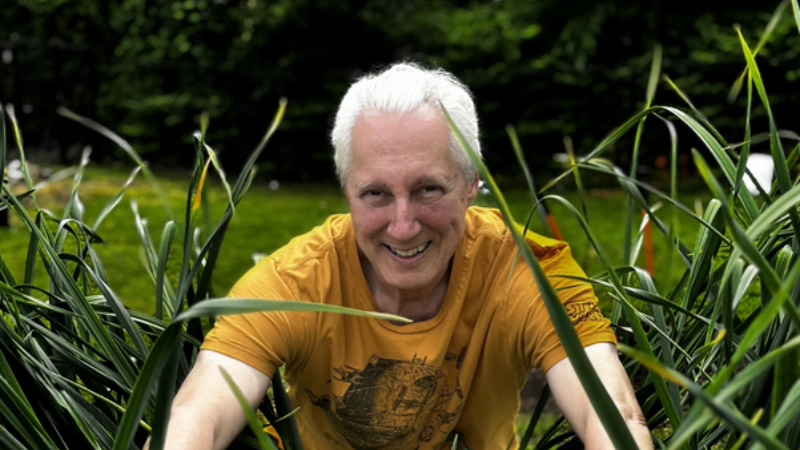
In this installment, we’re sharing a conversation with Edward Dupre, a volunteer, staff member, and active participant in The Autism Project community. Ed reflects on receiving an autism diagnosis later in life, navigating adulthood without the support systems available today, and finding purpose, connection, and belonging through meaningful work and community involvement. He also shares insights about aging as an autistic adult, lifelong learning, personal growth, and the importance of understanding and acceptance at every stage of life.
Below, you’ll find my questions in bold, followed by Ed’s responses in regular format.
Can you introduce yourself and share a bit about your background and interests?
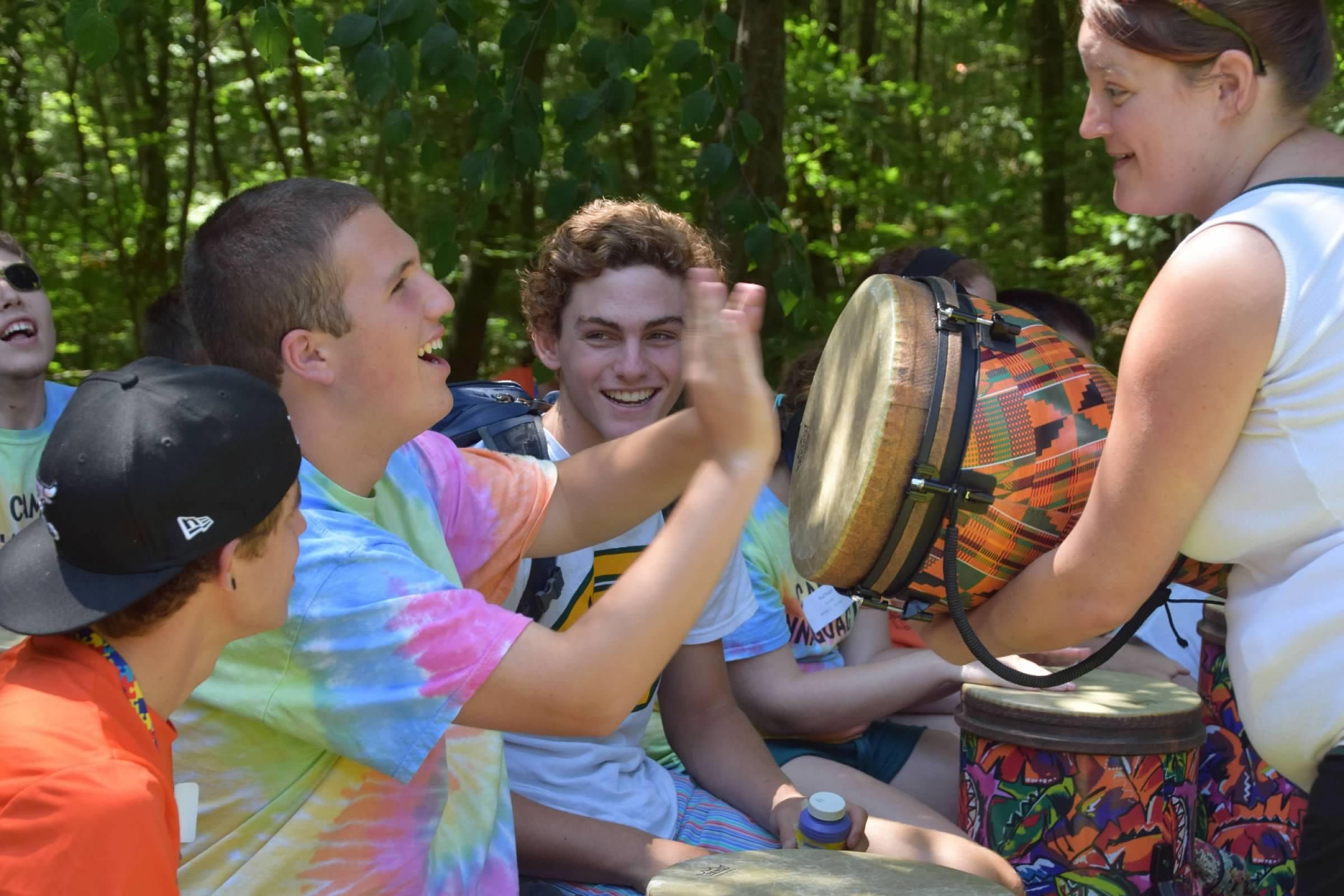
Hi, my name is Edward Dupre. I volunteer and work at The Autism Project part-time. I support our members, and staff, with various deeds like setting up chairs and tables, staging activities, kitchen cleanup, and watering the garden. I also work with Sensei Mike in six Karate classes every week. And basketball. And Unity Community. And Camp WANNAGOAGAIN! I am in my mid-sixties, and this is my "retirement occupation". It gives me purpose and direction in my life as an autistic senior citizen.
Do you refer to yourself using person-first or identify-first language (person with autism or autistic person)?
I think it depends on the context. Yes, I am a person with autism; therefore, I am an autistic person.
When were you diagnosed with autism? How did you feel about getting the diagnosis? How did getting the diagnosis impact you?
I first got diagnosed about 20 years ago in my mid-40s. And then again a few years ago. And then in 2024, I discovered The Autism Project and Unity Community. I am so grateful for the support of The Autism Project and all the other autism support agencies that enable us all to live a fuller life. At TAP, I am finally getting the support I needed all my life.
There was no support to be found for autistic adults 20 years ago after my first diagnosis, just a label I could blame everything on. And there was no support when I was growing up in the 1970s. Actually, I would get punished for it. I went to a small Catholic elementary school, and I don't think those nuns knew anything about autism. Then I went to a large public school in 7th grade, and I didn't have the social skills needed to successfully navigate my teenage years. It was very difficult. I had no way to understand how this neurological development disorder would impact my life. I just knew there was something different about me, but I didn't know what. That left me isolated and confused.
Do you like spending casual time one-on-one with people, in small groups, or in large parties?
My social life has changed a lot over the years. I would often find myself in places I didn't want to be, like in large groups, or some social situations, and that would cause me extreme anxiety. So, then I would avoid going places. I'm more comfortable one-on-one or small groups with family and friends.
Do you have any special interests or hobbies? What are they? What do you enjoy about your interests or hobbies?
My interests and hobbies have varied a lot over time. They come and go, when I've satisfied that particular itch.
I used to read a lot of fiction, especially multi-volume novels like Dune, The Lord of the Rings, The Chronicles of Thomas Covenant, The Hitchhikers Guide to the Galaxy, Star Trek, and a few others. Reading was my escape.
Lately, I am focused on learning to cook simple foods that require only one ingredient, water, or sometimes not even that. Mushrooms in a hot, dry frying pan, baked potato, lentils in boiling water, steamed broccoli, hard boiled eggs. No complicated recipes. They each taste great on their own. And I can add spices and flavoring if I want. Fruit smoothies work the same way, but no heat needed. I also started growing sprouts just this year. I discovered that lentils grow into sprouts. Food. And chia seeds too. Just add water.
I also like to tinker with my keyboard, practice writing with my left hand, and walking backwards, among other things. These kinds of things challenge me and form new neural pathways. It's exercise for my ageing brain.
Is there anything you want people to know about your job/career?
I learned how to research real estate records a long time ago and was a self-employed title searcher for most of my adult life. That was a good occupation for me because it's very solitary work; I didn't have to interact with other people much. I also worked for one of my clients too, for a few years. So, I did have a couple of jobs, but I never really liked employment very much. I knew I'd never make a lot of money working for someone else.
I started learning computer programming about 40 years ago. I did work as a programmer in a large corporation for a few years, but my egregious workplace social skills got me fired. I liked coding because I could get into my zone for days and days and create something cool with just 1's and 0's. I mostly liked working with data and making charts. I made a website called Chart-O-Rama, but all that's gone now. I finally figured out that I was competing with other job candidates half my age and twice as fast. One day, a few years ago, I decided I no longer wanted to pursue a high-responsibility, high-stress, high-tech career, so I retired from all that. The next several months was like Saturday every day, until I landed at The Autism Project.
How and when did you first become connected to The Autism Project? Is there anything you would like to share about your connection with The Autism Project?
It's been said that 80% of success is just showing up. Well, I showed up to my first Imagine Walk at Goddard Park in 2024, a couple of weeks after my first visit to TAP. Someone asked me if I wanted to go to camp. I said "Sure! What's camp?" I had no clue about Camp WANNAGOAGAIN! She gave me a QR code and said fill in the form. Then another form. Then another. I eventually realized it was a job application and onboarding process. I wasn't looking for a job, I was just looking for something to do.
In the corporate world, it's all about profits, but here at TAP, it's all about humanity. Since I started coming to TAP, I am learning more and more about ASD. I now have a whole new appreciation for the way people are. And a whole new perspective, from inside the rainbow.
What accomplishments - academic, personal, or professional are you most proud of?
I am the first one in my family to graduate high school, and I have three older siblings. I am also the first to graduate college. I am the first to quit smoking cigarettes. I am the only one in my family to be self-employed.
I am learning to cook and improve my diet. I used to eat mostly Burger King, Olive Garden, pizza, Hot Pockets, canned chili, and stuff like that. But then a couple of years ago I started watching YouTube cooking videos, and I totally changed to eating whole foods like broccoli, mushrooms, lentils and sweet potatoes, seeds and nuts, yogurt and stuff like that. Easy to cook, tastes better and cheaper too.
Those are some of the accomplishments I am most proud of. :)
What do you want more people to understand about autism, especially in adulthood?
Autism is often invisible, so don't judge. You never know the struggles people have.
What do you want employers and colleagues to understand about autism?
Coming out to my employers about autism may have alleviated some awkward moments with things like performance reviews or understanding the process, but my real challenges were interacting with co-workers. Many NT's (neuro-typicals) are trying to get ahead in their career, by whatever means necessary, and sometimes they will resort to back-stabbing, lying and cheating to impress their boss. I couldn't contend with that; I had a hard enough time just doing what I was supposed to do.
What do you want doctors to understand about autism?
Autistic people sometimes experience sensations and symptoms differently than medical journals and textbooks teach. So, doctors may miss something because we don't report a particular sensation or symptom.
The post-WWII medical industry and Big Pharma seems to prioritize profits over wellness. The food industry encourages us to eat sugary snacks and highly processed foods. Then the doctors give us pills to alleviate the inflammation and other disorders from too much sugar and other ingredients I can't even spell or pronounce. Real food is medicine.
Is there anything else you want people to know about you?
I am grateful for each new day, and I look forward to whatever's going to happen. I embrace the changes in my life. I wasn't always this optimistic about life; actually, quite the opposite. One night, a couple of years ago, I fell asleep with YouTube on autoplay, and you never know what that YouTube algorithm is going to come up with. I woke up in the wee hours of the morning listening to this video (https://www.youtube.com/watch?v=B8mvXz0DTUE) about an ancient philosopher name Epictetus. I never heard about this guy; he never crossed my radar. This 30-minute video encapsulates a lifetime of lessons that we pick up here and there - values and virtues we learn about through books, movies, religion, and from our parents, aunts and uncles, teachers and friends. But they are so scattered that I never really thought about them all together, in one comprehensive package. I struggled with the decision to reveal this part of myself, but I concluded that I have something valuable to share. That video blew my mind and changed my life, and I encourage you to play it.
We are grateful to Ed for sharing his experiences, reflections, and wisdom with honesty and openness. His story highlights the realities of growing up and living as an autistic adult during a time when understanding and support were limited, while also demonstrating the power of community, self-discovery, and lifelong growth.
Ed’s journey reminds us that it is never too late to find connection, purpose, and a deeper understanding of oneself. Thank you, Ed, for sharing your voice with our community and helping others see the many perspectives and experiences that exist within the autism community.
Gianna Cambria
Marketing & Communications Officer